Cenote sessions.
Cenote sessions are editorial sessions inside the Yucatán cenotes - available by arrangement for maternity, couples, boudoir, families, brand work and intimate weddings. Shafts of light on still water, dark stone, deep reflections - a different kind of session entirely.
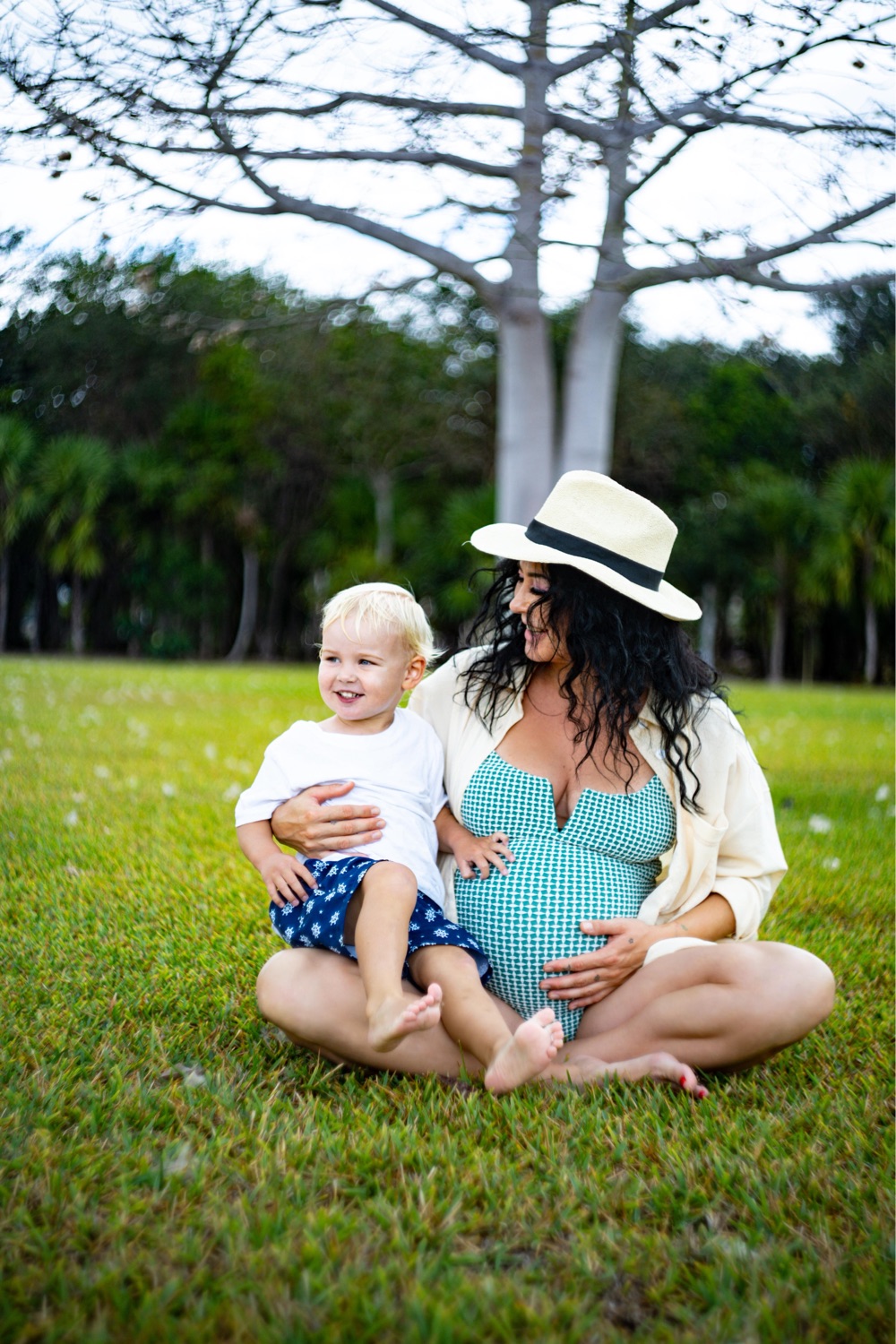
Cenote sessions are available by arrangement and operate as an entirely different format from the beach. The cenotes are freshwater sinkholes scattered across the Yucatán - open-roof, semi-open, or fully cave-roofed - and shooting inside them produces a kind of frame that has no equivalent elsewhere on the coast. Shafts of midday sun on still water, dark limestone walls, mirror-flat reflections of jungle roots, and that distinctive cool indigo where the water deepens - these are visual signatures that read instantly as "cenote" and carry an editorial weight that beach light cannot. Maternity, couples, boudoir, families, brand work and intimate weddings all work inside the cenotes; the format adapts to the session.
Why shoot in a cenote. There are three things a cenote does that no other location on the Riviera Maya can. First, the light shaft. Open-roof cenotes like Suytun, Ik-Kil, and others receive a vertical column of sun for a narrow window each day; standing in or beside that shaft produces an unmistakable, almost theatrical frame that is widely associated with the Yucatán now. Second, the cool palette. Cenotes are deep blue, dark indigo and green-tinted where the algae catches light - a completely different colour world from the warm sandy beaches and turquoise sea, and one that reads beautifully for couples and maternity. Third, the privacy. With the right cenote and the right time slot, a session can be genuinely private - no other visitors, no boats, no crowds. That changes what the session feels like, and it changes the gallery.
Best contexts and best fits. Cenote sessions are a strong fit for maternity portraits (the soft cool light and the still water flatter the body and the mood); for couple sessions and engagement work where you want an editorial frame rather than another beach session; for intimate weddings and elopements with a small ceremony inside the cenote or on its edge; for boudoir and creative portraits in semi-private cenotes; and for brand and editorial campaigns. They are less ideal for very large groups (the platforms and edges are limited), for couples or families who absolutely need pure beach turquoise in the gallery, or for visitors with strong claustrophobia (some of the more atmospheric cenotes are partly cave-roofed). If a beach session would actually fit better, a different format can be suggested instead.
Common shoot scenarios and what we capture. For a maternity cenote session - ankle-deep or knee-deep wading on the cenote platforms, edge-of-the-water portraits with the cool indigo behind, jungle-canopy frames at the cenote entrance. For a couples or engagement session - the two of you on the edge of the pool, walking the platforms, in the water for a few intimate close-up frames, and silhouetted against the light shaft if seasonally available. For a boudoir cenote session in a private booking - gentle posing on the platforms or in shallow water, very low-key direction, the dark stone walls as a quiet backdrop. For a small wedding ceremony - a short exchange of vows at the cenote edge with five to ten guests, the cenote as the cinematic setting. For brand work - typically food, wellness, jewellery or wellness-fashion brands using the cenote as an editorial environment.
Cenote selection and the light shaft. Different cenotes hold different visual signatures. Suytun and Ik-Kil are the famous light-shaft cenotes; Suytun has a circular open roof and a small island in the middle where the shaft lands, and Ik-Kil is a deep cenote with vines reaching down from the open roof. The light shafts at both are seasonal and narrow - typically late spring and summer, around solar noon, for about a thirty-minute window. Cenote Azul in Bacalar (a different region) is a deep open lagoon-style cenote, perfect for couples in deep indigo and for swim-photography. Cristalino, near Tulum on the Cobá road, is a smaller, quieter, semi-open cenote with beautiful platform edges. Yokdzonot is a community-run cenote in the Yucatán interior that stays quieter than the famous tourist cenotes. Gran Cenote near Tulum is open-roof and easy to access. Each cenote has slightly different rules around photography; commercial work requires a permit in some cases, which we arrange ahead.
Best contexts (timing instead of months). The cool dry season (December through April) is the most comfortable time to be in cenote water - the water itself is a constant cool temperature year-round, but the air outside is gentler in winter. May through September is hotter and more humid; the cenotes are a beautiful respite from the heat and the light shafts in some cenotes are at their strongest at this time. October is the wettest month; cenote sessions still happen but I plan a generous backup. The single most important timing decision is around the light shaft if that is what you want - we plan our slot for the specific window where the sun is overhead enough to drop directly down into the cenote, which depends on the cenote and the month. For most other cenote work, mid-morning or mid-afternoon work well.
Time-of-day inside a cenote. The light shaft sessions need a tight midday window. For non-shaft cenote work, soft mid-morning and soft mid-afternoon are usually best - the ambient light is high enough to fill the cenote without being so harsh that it blows out the edges of the opening. Cenote interiors are dark; the work is done with fast lenses and a soft battery-powered fill where it helps, but always lightly - the goal is to keep the atmosphere of the cenote, not to over-light it.
What to expect when you book a cenote session. Once your date is set, you receive a short prep note covering the cenote, the meeting point, the entry timing, what to bring and what to wear. Wardrobe-wise, lightweight fabrics that show movement in water work beautifully - flowing dresses for maternity and couple sessions, light shirts and trousers for the men. Avoid heavy denim and anything that goes black-and-soggy when wet if you plan to go into the water. Pack a towel and warm layers - cenote water is genuinely cold (around 24°C / 75°F year-round), and even on a hot day you will want to warm up after. After the session a private preview gallery arrives within days, with the full edited collection within two to three weeks via a private link, high resolution, ready to print.
Logistics - most cenote sessions run from a meeting point near a cenote outside Tulum, Bacalar or in the Yucatán interior. Entry fees apply at all the public cenotes (usually 150–500 MXN per person); some cenotes offer a private booking option for an additional fee - useful for weddings or longer commercial shoots. The session covers the photography logistics; you cover the entry fees and any private-booking surcharge. For dive-photography inside a cenote (separate from the above-water work this page covers) you would need a dedicated underwater photographer and a dive operator; cenote photography here covers above-water and shallow-water work only.
Cross-links and related sessions on the site. Cenote sessions cross-link with maternity sessions, couples, proposals, boudoir, families, weddings and commercial. For location pages where cenotes are a regular feature, see Tulum, Bacalar and Riviera Maya. The cenote-shaft frames also appear in the worldwide sessions page for travelling clients.
Common questions that are not in the FAQ. Are cenotes safe for pregnant women? Yes, with the right cenote and a calm plan - choose a cenote with easy steps and shallow areas, keep movements gentle, and bring towels and warm layers. Always confirm with your doctor first. Can we have a ceremony inside a cenote? Yes - small ceremonies of five to ten guests work well in several of the larger semi-open cenotes; private booking is arranged ahead. Will photos be too dark or muddy? No - cenotes are darker than open beach, but that is the look. The edited gallery comes out atmospheric and clean. Can we add a cenote to a beach session in the same day? Often yes - a common pattern is sunrise on the beach, breakfast in town, and a mid-morning cenote stop. Tell us the day you have and a sketch can be drawn. What about scuba inside a cenote? That is dive-photography - requires different equipment and a dive-trained photographer; cenote photography here covers above-water and shallow-water work only, not underwater dive work.
If a cenote session is the format you want, tell us your dates, the kind of session (maternity / couples / boudoir / wedding / brand), and whether the light shaft is part of what you want - and the right cenote and time slot can be suggested.
What to expect
Pick the cenote
Open-roof cenotes like Suytun and Ik-Kil for the famous light shafts; Cenote Azul in Bacalar for couples in deep indigo; Cristalino or Yokdzonot for quieter days. We match the cenote to the session.
Plan around the light
Sun shafts arrive in a narrow window depending on the cenote and the month. I aim our slot for the cleanest light and the fewest visitors - usually first entry or a private booking.
Shoot in and out of the water
Edge of the pool, on the platforms, ankles in, fully in - your call. I direct gently, work with the available light and a soft fill where it helps.
What’s included
- Maternity, couples, boudoir, families, brand and intimate weddings
- Cenotes including Suytun, Ik-Kil, Cenote Azul (Bacalar), Cristalino, Yokdzonot
- Light-shaft sessions when seasonally available
- Direction for low-light cenote interiors
- A private online gallery + high-resolution edits
- Cenote entry fees and any private-booking surcharge billed at cost
Frequently asked
Which cenote should we choose?
It depends on the session and the time of year. Suytun and Ik-Kil are famous for the light-shaft hour. Cenote Azul in Bacalar is a deep open lagoon, perfect for couples. Cristalino and Yokdzonot are quieter and great for maternity or families. Tell me your dates and what you want it to feel like, and I will suggest a shortlist.
Can we get in the water?
Yes - most cenote sessions include time in the water. I keep gear safe with dry housings and shoot from the edge, the platform or the water itself depending on the look you want.
Are cenotes safe for maternity?
Yes, with the right cenote and a calm plan. We pick a cenote with easy steps and shallow areas, keep movements gentle, and bring towels and warm layers for after. Always confirm with your doctor first.
Will the photos be too dark?
No - cenotes are darker than open beach, but that is part of the look. I shoot with fast lenses and use the natural shafts of light or a soft fill where helpful. The edited gallery comes out atmospheric, not muddy.
Timeless · Cinematic
Two distinct visual languages - choose the one that feels like the memory you want to keep.
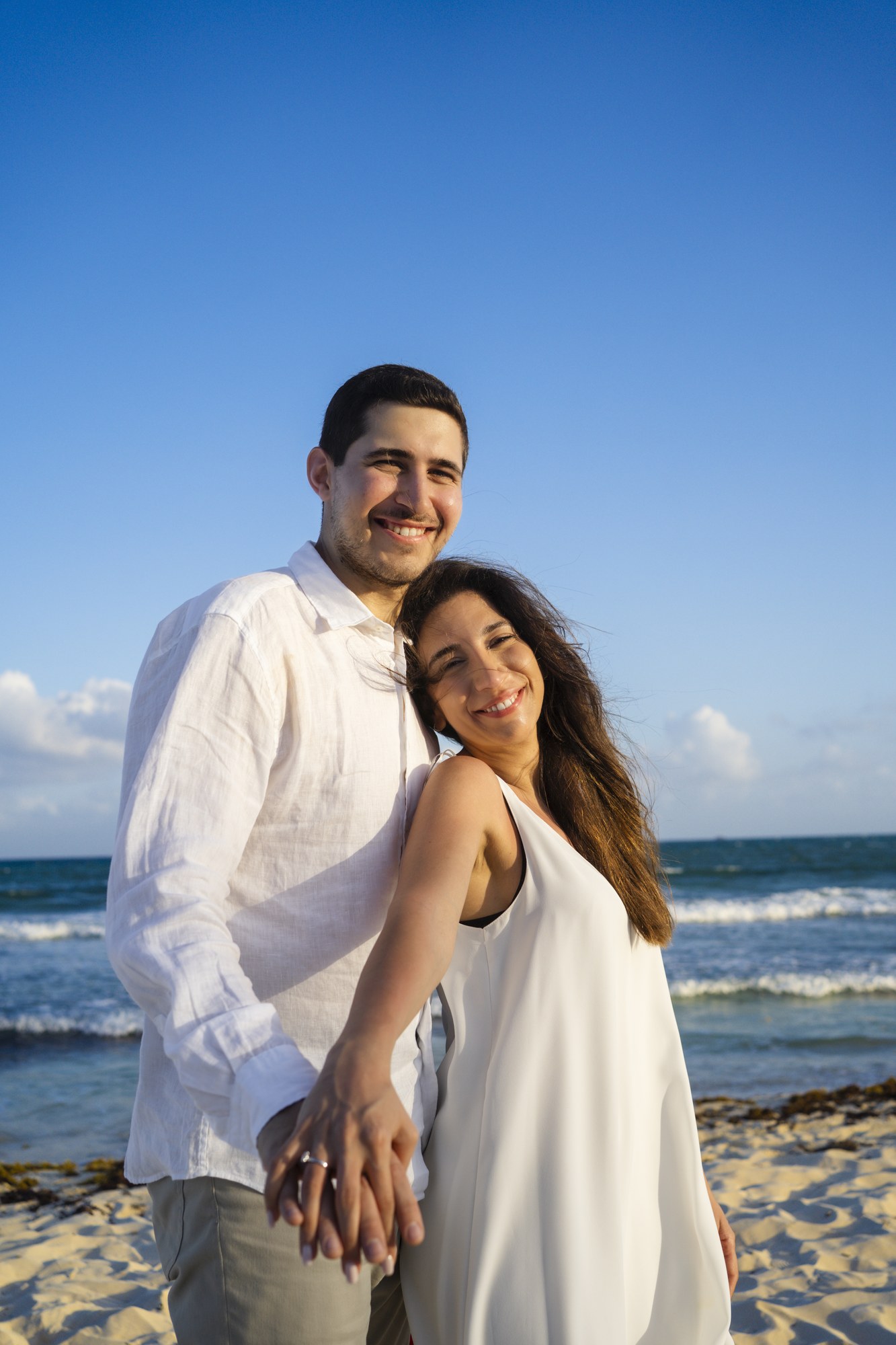
Timeless
Elegant. Clean. Naturally lit. Lightly editorial. Polished storytelling with classic emotional imagery - the photographs you’ll print and frame.
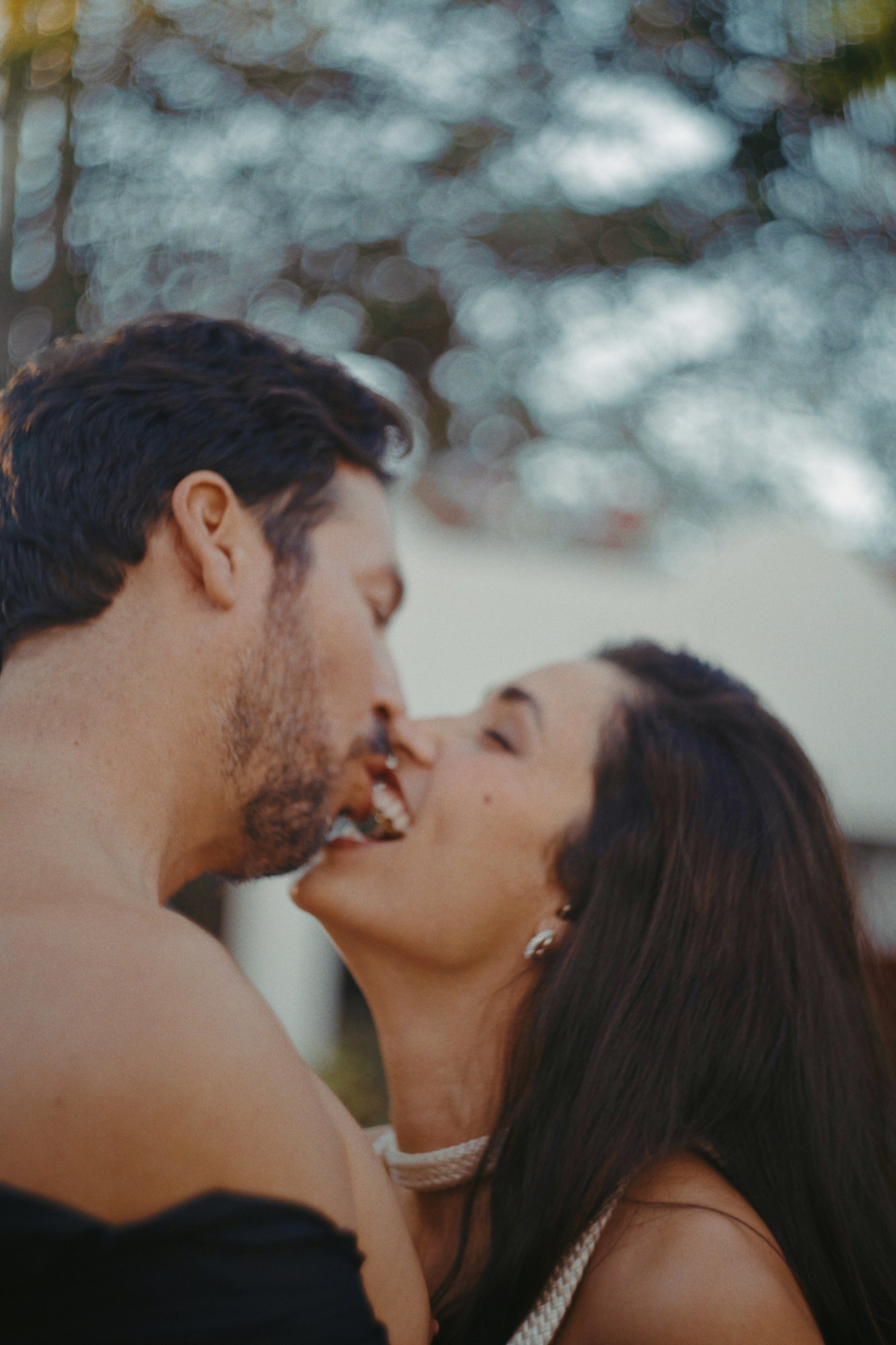
Cinematic
Film-inspired. Immersive. Grain, movement, dramatic light. Imperfect moments and atmospheric framing - memories that feel like a film.
Let's make a few frames you'll keep on the wall.
Tell me a little about who'll be in front of the camera, where, and when. I reply within 24 hours - usually faster.