Your photographer on Holbox.
A bohemian, car-free island at the top of the Yucatán - Punta Mosquito sandbar, flamingos at low tide, whale sharks in season, and bioluminescence on a summer night. Proposals, couples, families and brand sessions on the island.
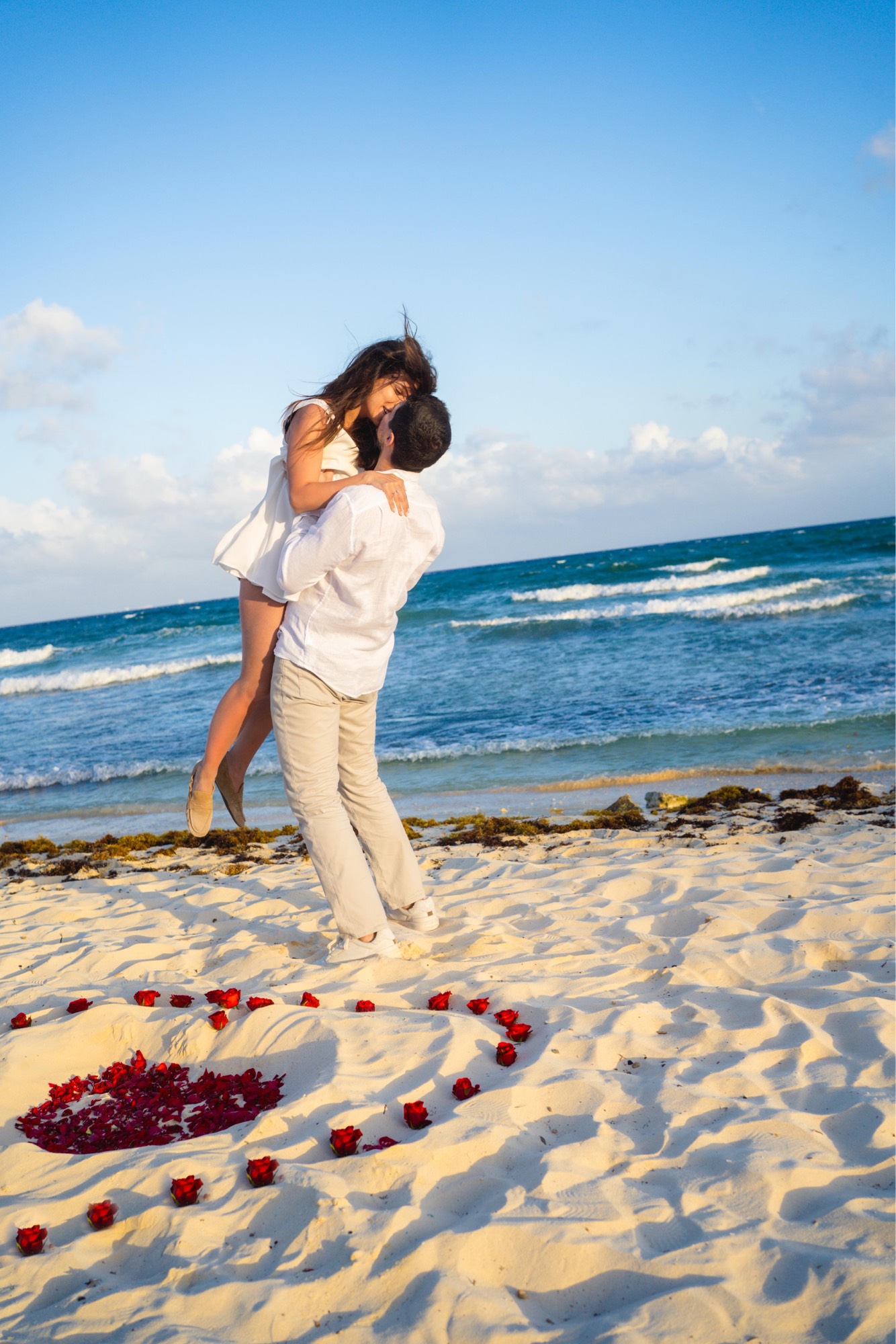
Holbox is a slower kind of session entirely. There are no cars on the island - only golf carts and bicycles - so the streets are sand, the centre is small, and the horizon does not stop. It is a bohemian, slightly off-the-grid island at the very top of the Yucatán, separated from the mainland by a shallow lagoon, and almost everything about a session here runs at half-speed compared to the busier mainland towns. I shoot here for couples who want the postcard turned down by a few degrees - the long Punta Mosquito sandbar at low tide, the pink shallows where flamingos pass through, the empty stretch of beach east of the centro, the bioluminescence on a summer night.
Why I shoot here. Holbox does several things almost no other point on the coast does. The sandbars at Punta Mosquito and Punta Coco stretch hundreds of metres into the lagoon at low tide, leaving an ankle-deep, mirror-flat foreground that has no equivalent anywhere else on the Riviera Maya. The flamingo flocks pass through in season, often visible from the sandbars without needing a tour. Whale-shark season runs from roughly June to September, when the world’s largest fish gather offshore - I do not get in the water with them, but I shoot the boat day above water and pair it with a sunrise or sunset session on the sand. Bioluminescence - the plankton that glow when disturbed at night - happens here on certain summer evenings; I shoot it where conditions allow with the right gear. None of this is a guarantee on any given day, which is part of the planning conversation we have before the trip.
A typical session day. The rhythm on Holbox is unhurried. Most sessions start with a sunrise on the long beach east of the centro, or out toward Punta Mosquito if the tide is favourable. The sandbar is most photographable at low tide - I check the tide schedule before locking in the time. We work the sandbar for an hour or so, returning into the centro for breakfast or onward to the day’s plan. For sunset sessions - the headline hour on Holbox, since the island faces west and the sun drops directly into the lagoon - we meet on the beach about ninety minutes before sunset, walk a quiet stretch toward Punta Coco or Punta Mosquito depending on the tide, and shoot the run through golden hour and blue hour. For whale-shark days in season, we leave early on the boat, cover the above-water frames at the gathering point, then come back into the centro for a late-morning beach session or a rest before sunset.
Best months - the honest version. Holbox’s seasons are slightly different from the mainland. November through May is the dry season - comfortable temperatures, lighter winds, and the most reliable sandbar exposure at low tide. February and March are particularly good. June through September is whale-shark season - humid and warm, with the highest chance of an afternoon storm, but the boat days are the main attraction. Bioluminescence is most reliable in late spring and summer on a moonless night, with conditions allowing. October is the wettest month and the slowest on the island; sessions still happen but I plan a generous weather buffer. The island is busier in high season (December-March) but never feels crowded the way the mainland can.
Time-of-day guide. Sunrise on Holbox is unusual - the beach faces north and west rather than east, so the early-light moment is softer and more diffused than on Cancún or Tulum. The headline hour is sunset, when the sun drops over the lagoon and the sky stretches into pink, orange and purple. The long, shallow water around the sandbars catches and holds the sky colour, so the post-sunset half-hour reads as one of the most painterly blue-and-pink moments anywhere on the coast. Blue hour after sunset is genuinely extraordinary; I almost always shoot through it. Mid-day is bright and hot - better for boat-day work over water or a long rest before sunset.
Common spots I work in. Punta Mosquito - the long sandbar at the east end of the inhabited beach, about a forty-five-minute walk or a short golf-cart ride from the centro. The beach east of the centro itself, accessible from any hotel along the long beach strip. The bioluminescence bay area beyond Punta Coco for night sessions when conditions allow. Punta Coco at the west tip for sunset over the lagoon with no obstructions. The colourful murals and sand streets of the centro for a few minutes of urban texture between beach moments. For brand work and pre-boda, the boutique eco-hotels along the long beach offer beautiful palapa-style settings with their own private stretches of beach.
What to expect when you book a Holbox session. Once your date is set I send a short prep note covering ferry timing, the meeting point on the island, what to bring and what to wear. Holbox is an island; pack for sand and salt - leave heavy heels at the hotel. Wardrobe-wise, soft whites, creams, terracotta, sage and muted blues read beautifully against the lagoon shallows; flowing fabric photographs well in the steady island breeze. For boat days in whale-shark season, a swimsuit, hat, and wind layer are essential. After the session I deliver a private preview gallery within days and the full edited collection within two to three weeks via a private link, high resolution, ready to print.
Logistics - getting to Holbox is part of the planning. The journey is a roughly two-and-a-half-hour drive from Cancún to the port town of Chiquilá, plus a thirty-minute ferry from Chiquilá to the island. Two ferry companies (9 Hermanos and Holbox Express) alternate roughly hourly throughout the day; the last ferry off the island leaves in the early evening. Many clients spend two or three nights on Holbox to make the travel worthwhile - a single-day round trip from Cancún or Playa is possible but tiring. On the island we move by golf cart and on foot - there are no cars, no traffic and no taxis in the conventional sense. I bring my full kit packed for the salt and sand, and we keep the rhythm slow.
Related sessions on the site. Holbox is a strong fit for proposals, couple sessions, pre-wedding sessions, and quieter weddings and vow renewals. For whale-shark boat days and other on-the-water moments, see yacht days. For broader area context, the Riviera Maya page covers how Holbox fits with the rest of the coast; Cancún is the natural launching point for the drive to Chiquilá. The bohemian eco-hotels here also feature in hotel photography work.
Common questions I get that are not in the FAQ. Is Holbox worth the long travel day? For couples who want a session that does not look like every other Riviera Maya gallery, yes - the sandbars, the bioluminescence and the sunset colour give Holbox a visual signature you cannot replicate on the mainland. Can we see flamingos on a session? Often, yes - the flocks pass through the lagoon and the shallow stretches between the sandbars, and many sessions catch them in the background. Not guaranteed on any given morning, but a real possibility in season. Should we book in whale-shark season? Only if the whale sharks are part of the reason you are going - June to September is hotter, wetter and busier on the boat side. For pure session work, the cooler dry months are easier. Is there sargassum on Holbox? Rarely - the island sits behind a shallow lagoon and is not on the open Caribbean, so the main sargassum that hits Tulum and Cancún rarely reaches here. Can we shoot the bioluminescence? I try where conditions allow - moonless nights in summer in a darker stretch beyond Punta Coco. It is a difficult, low-light shoot and not all sessions land, but when it does the frames are unlike anything else.
If Holbox sounds like the slower, more unusual kind of session you want, tell me your dates and the rough shape of your trip, and I will sketch a day that uses the tides, the sunset and the season to your advantage.
Sessions on Holbox
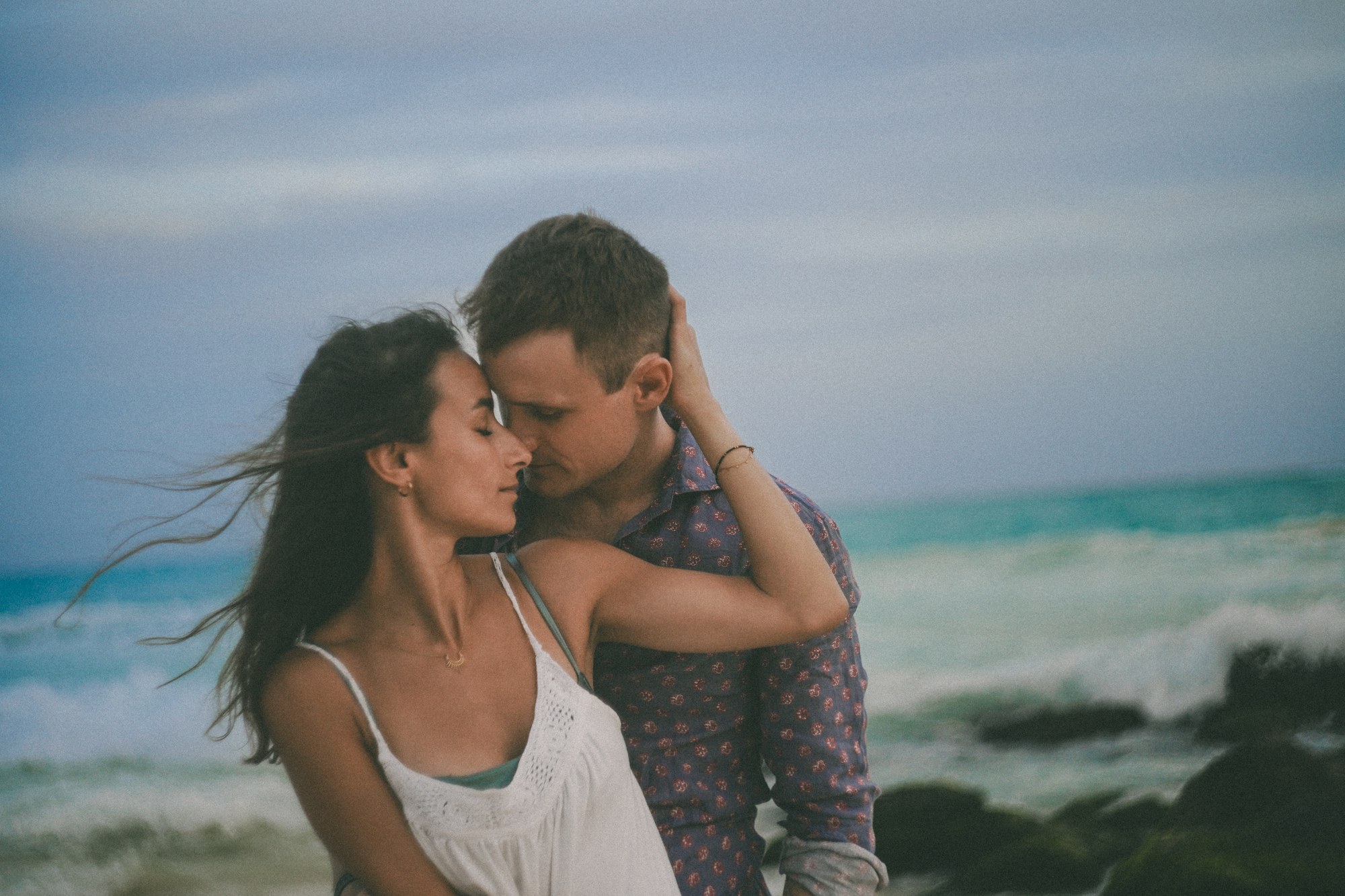
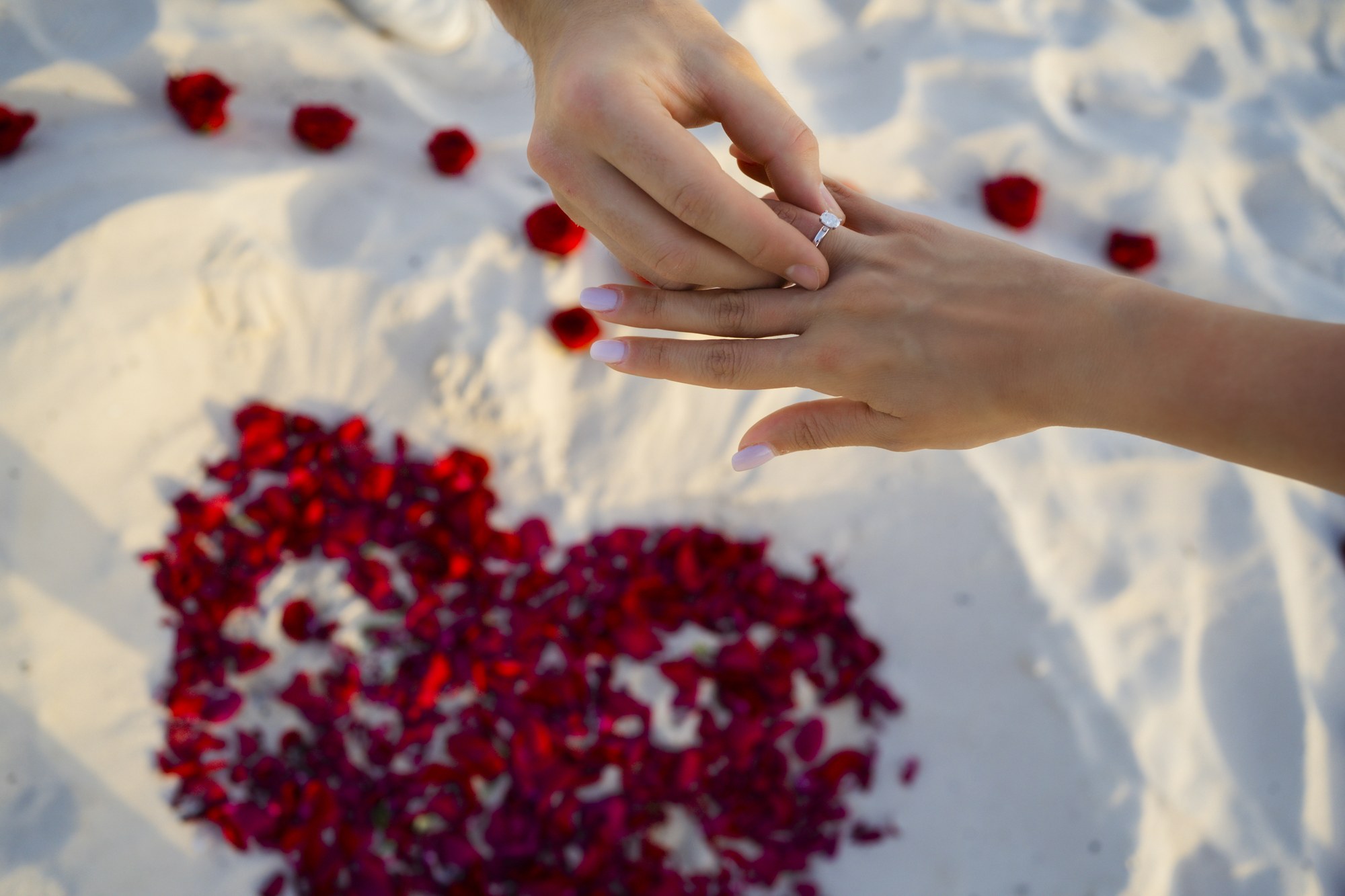
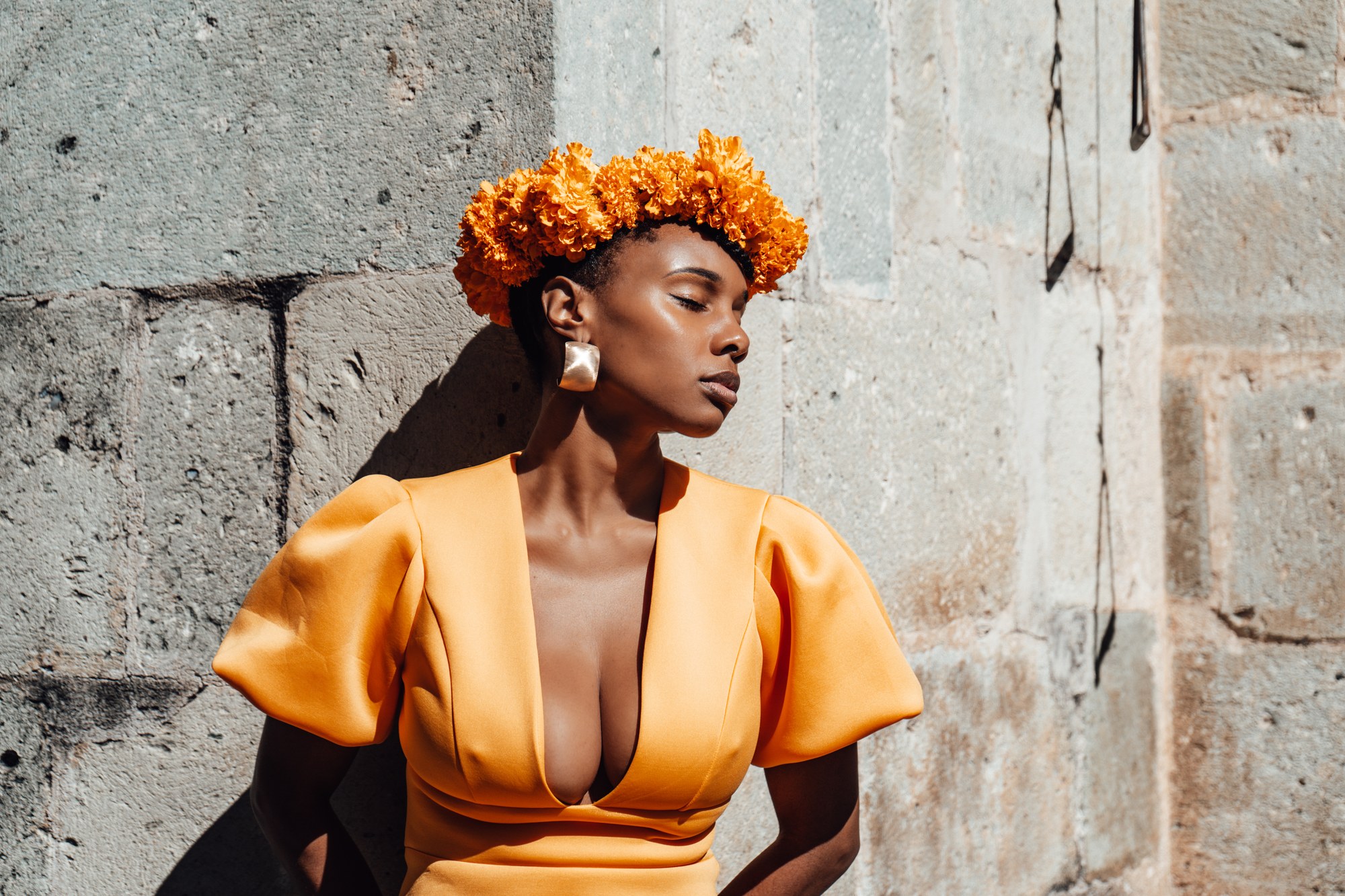
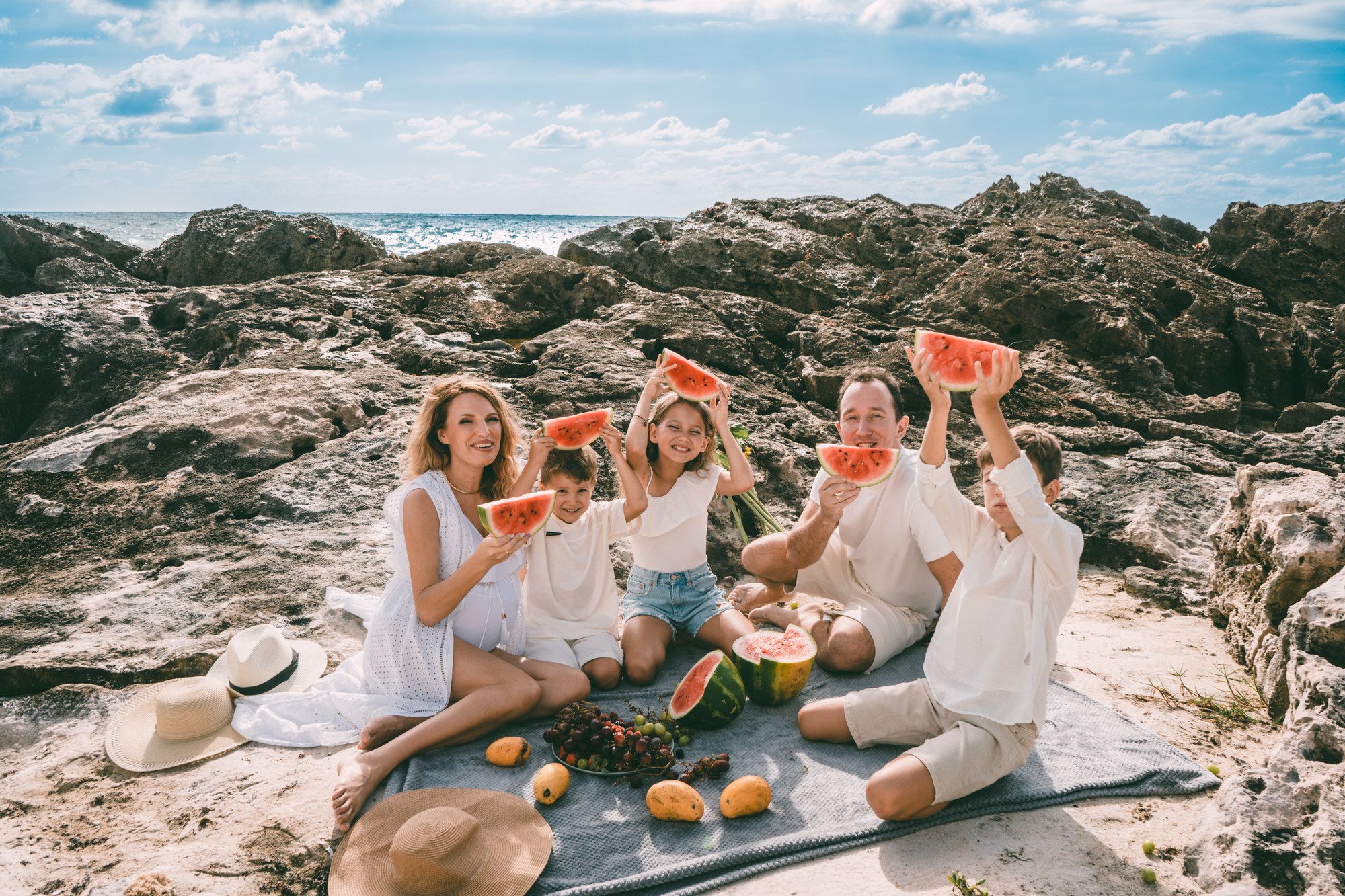
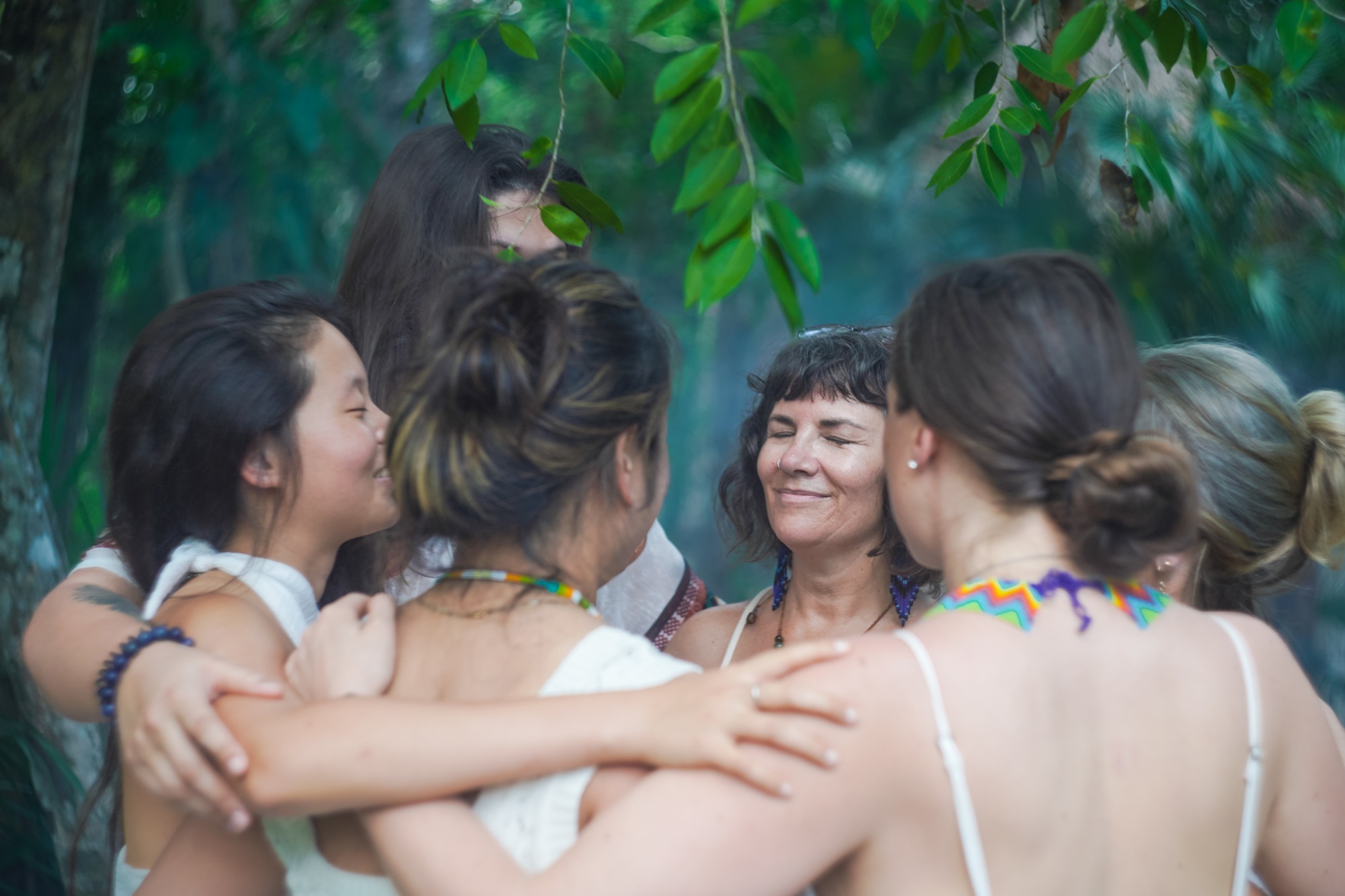
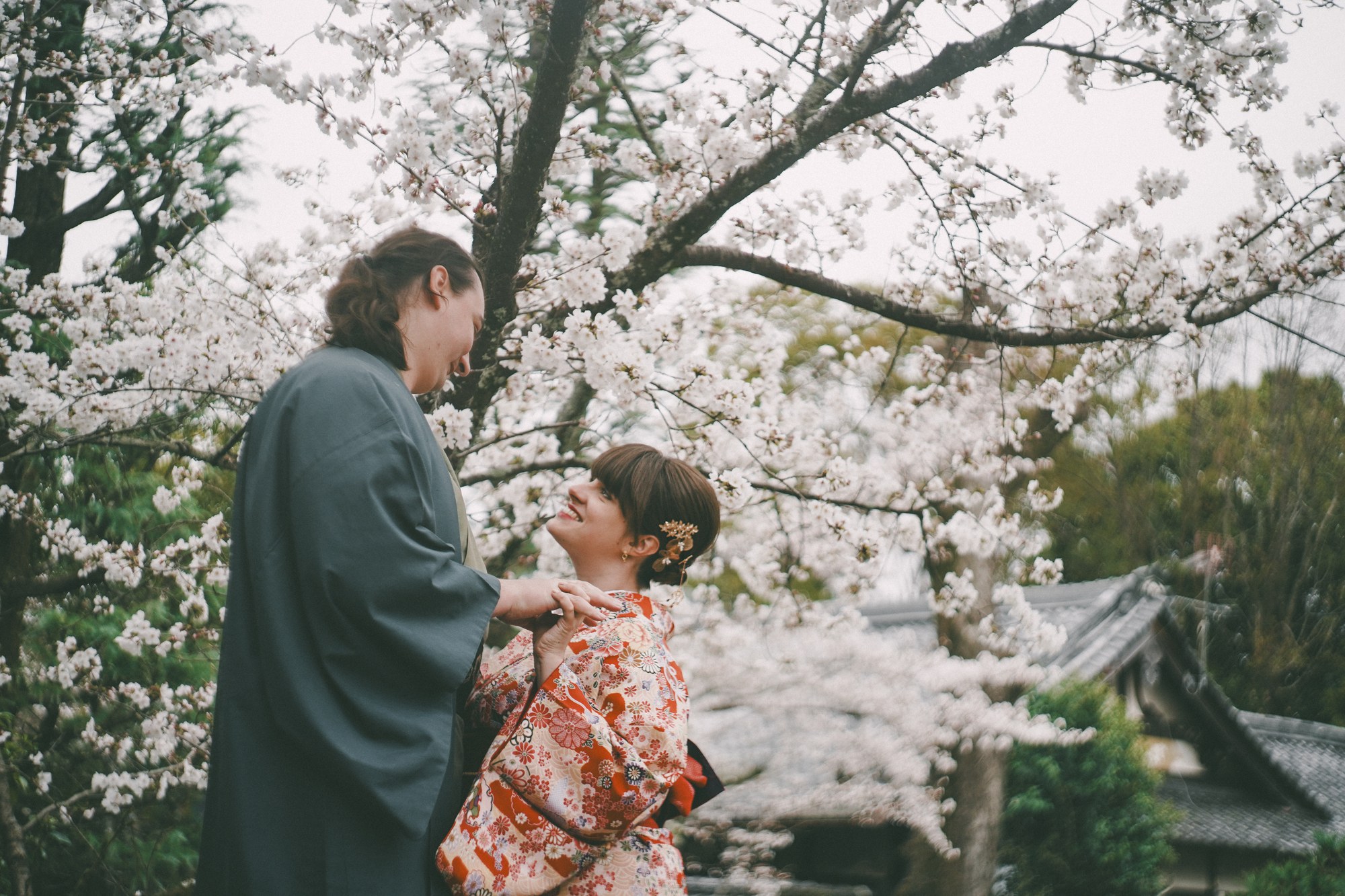
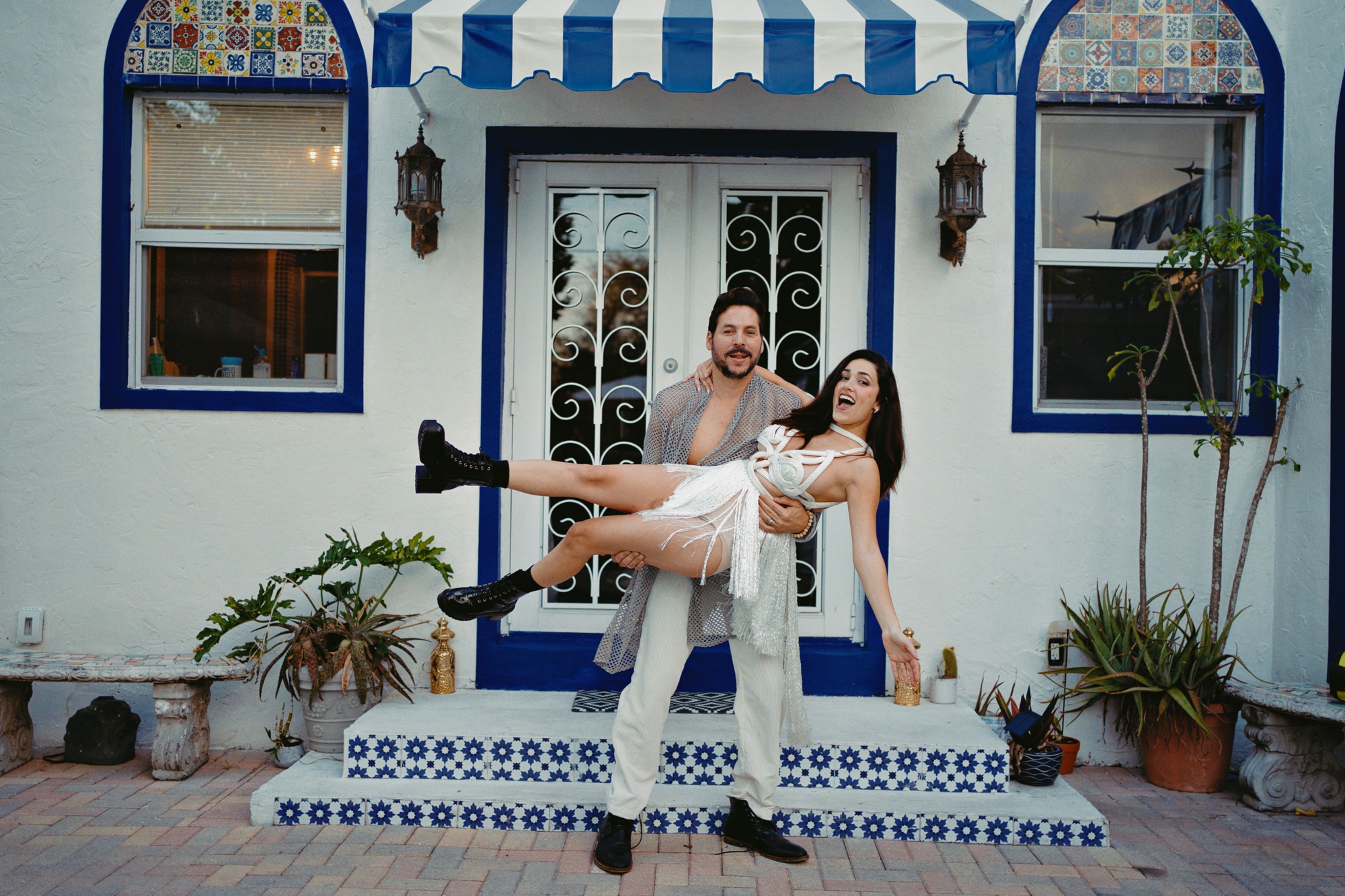
Timeless · Cinematic
Two distinct visual languages - choose the one that feels like the memory you want to keep.
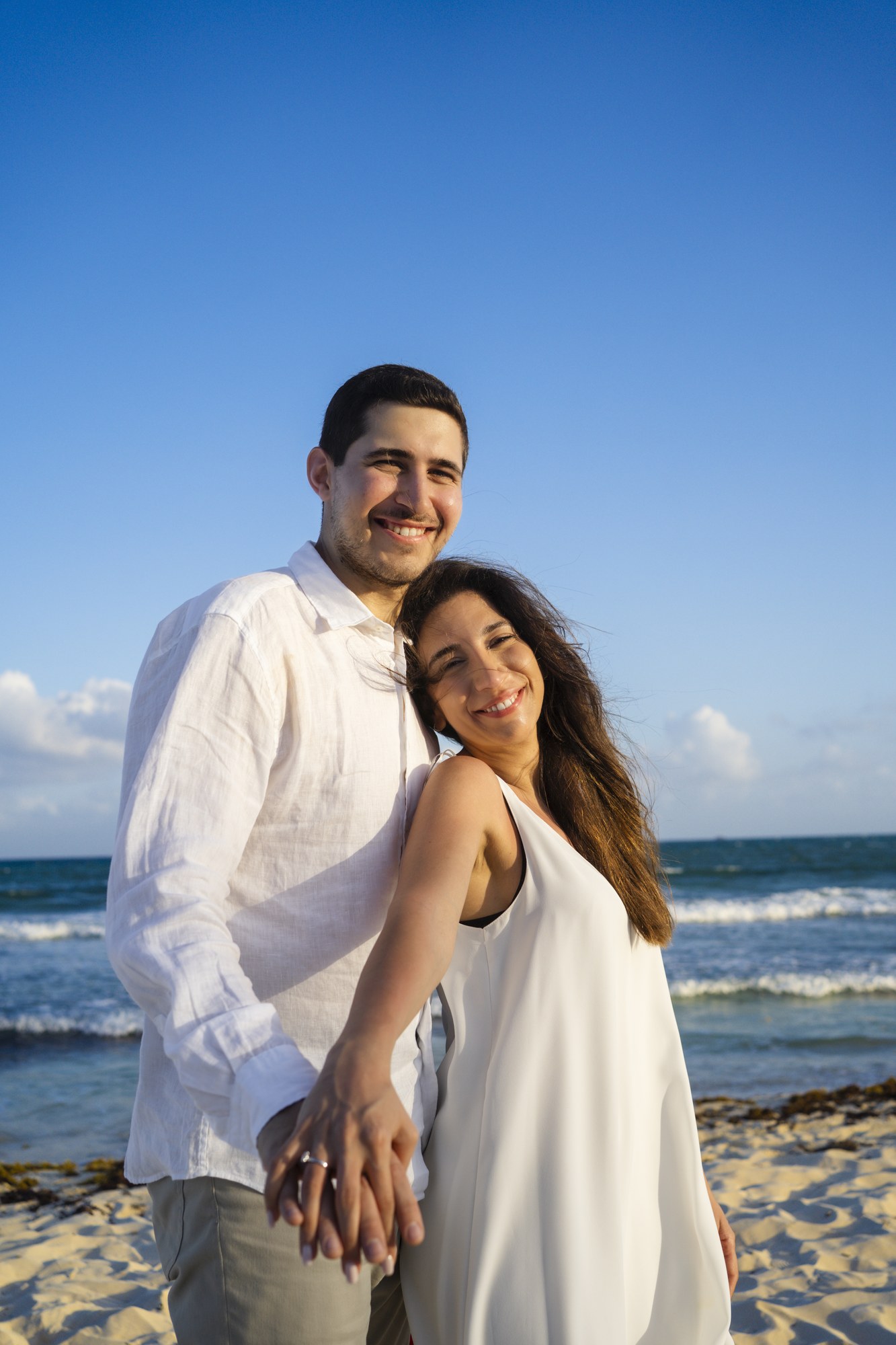
Timeless
Elegant. Clean. Naturally lit. Lightly editorial. Polished storytelling with classic emotional imagery - the photographs you’ll print and frame.
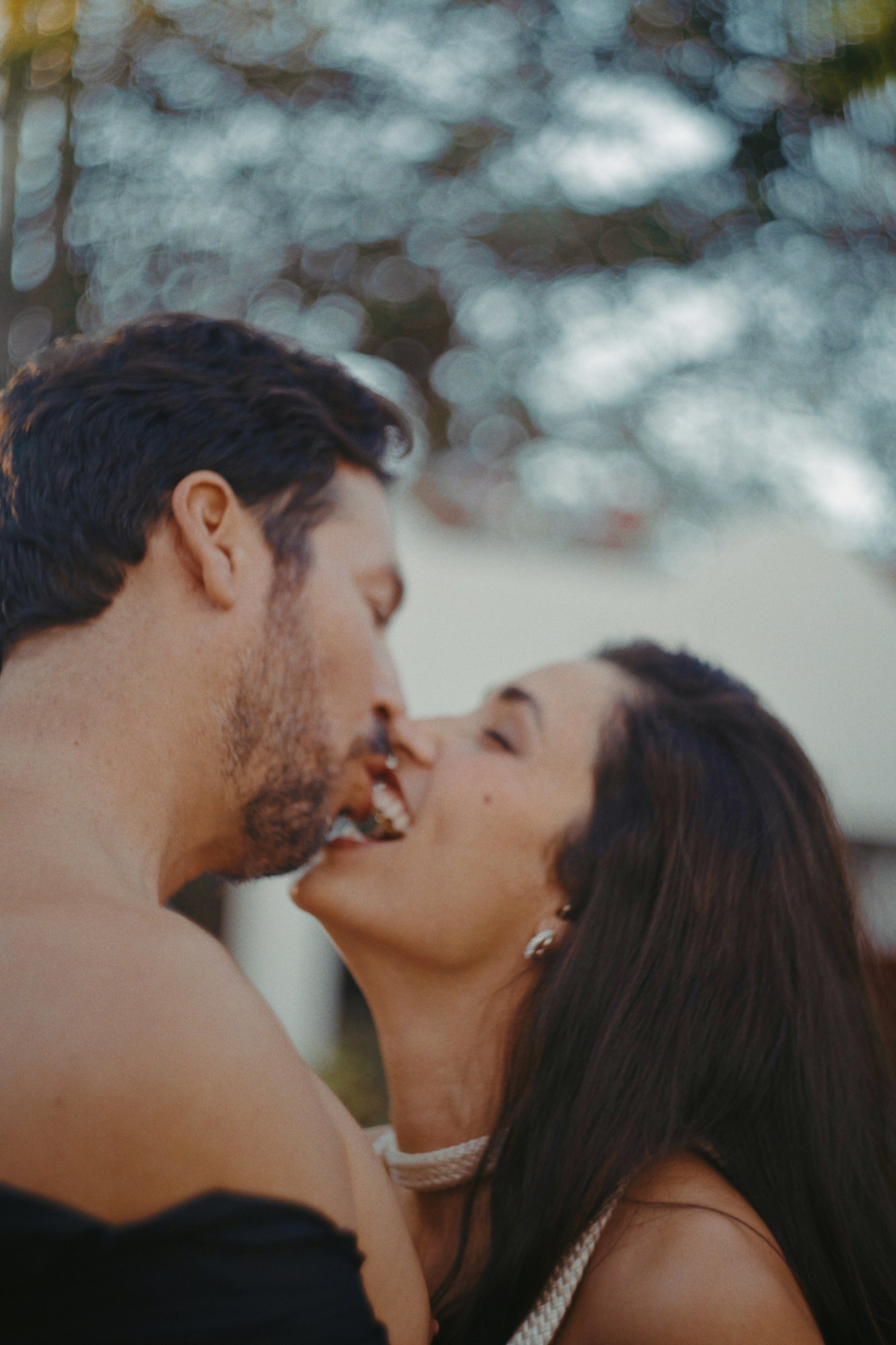
Cinematic
Film-inspired. Immersive. Grain, movement, dramatic light. Imperfect moments and atmospheric framing - memories that feel like a film.
Let's make a few frames you'll keep on the wall.
Tell me a little about who'll be in front of the camera, where, and when. I reply within 24 hours - usually faster.