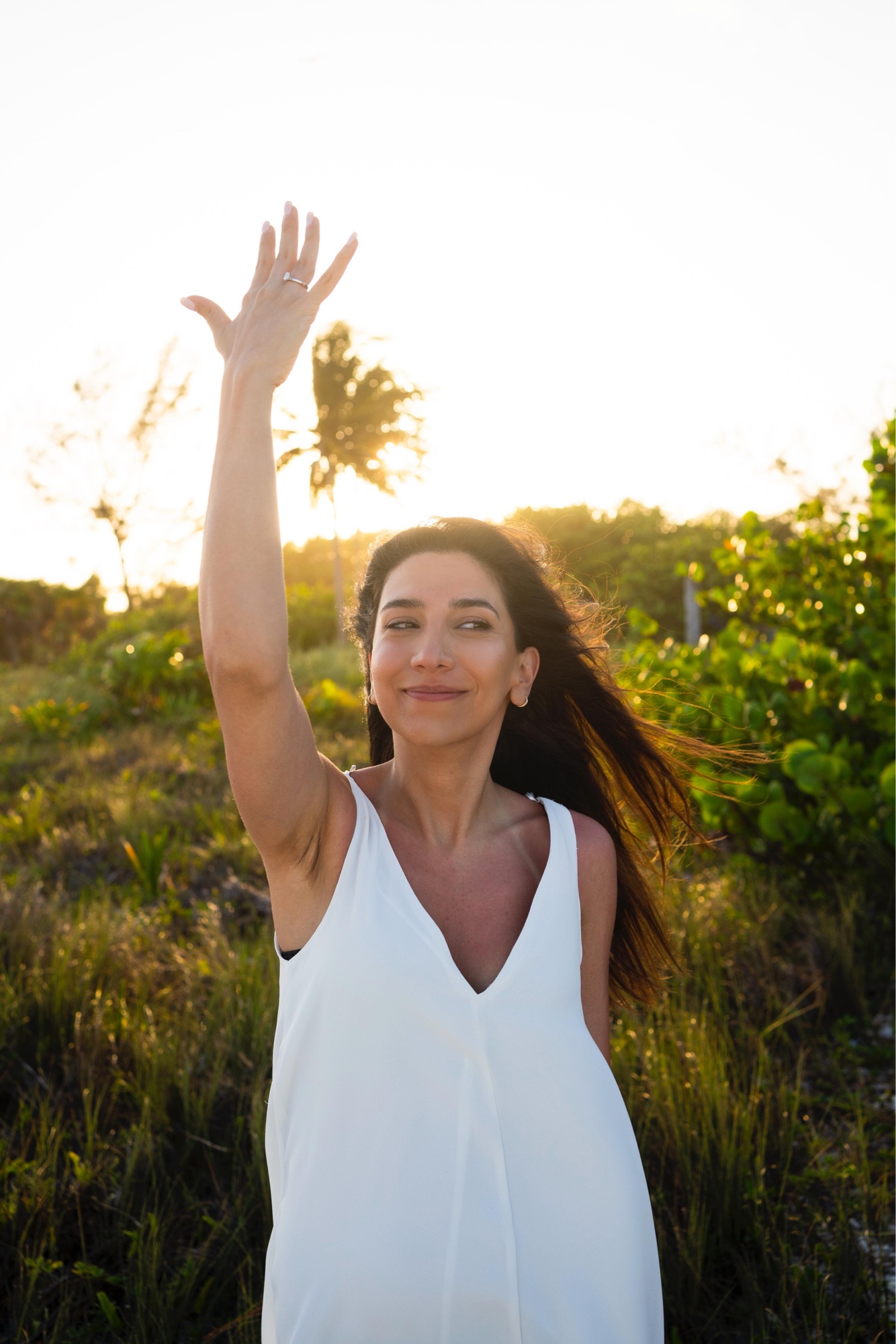
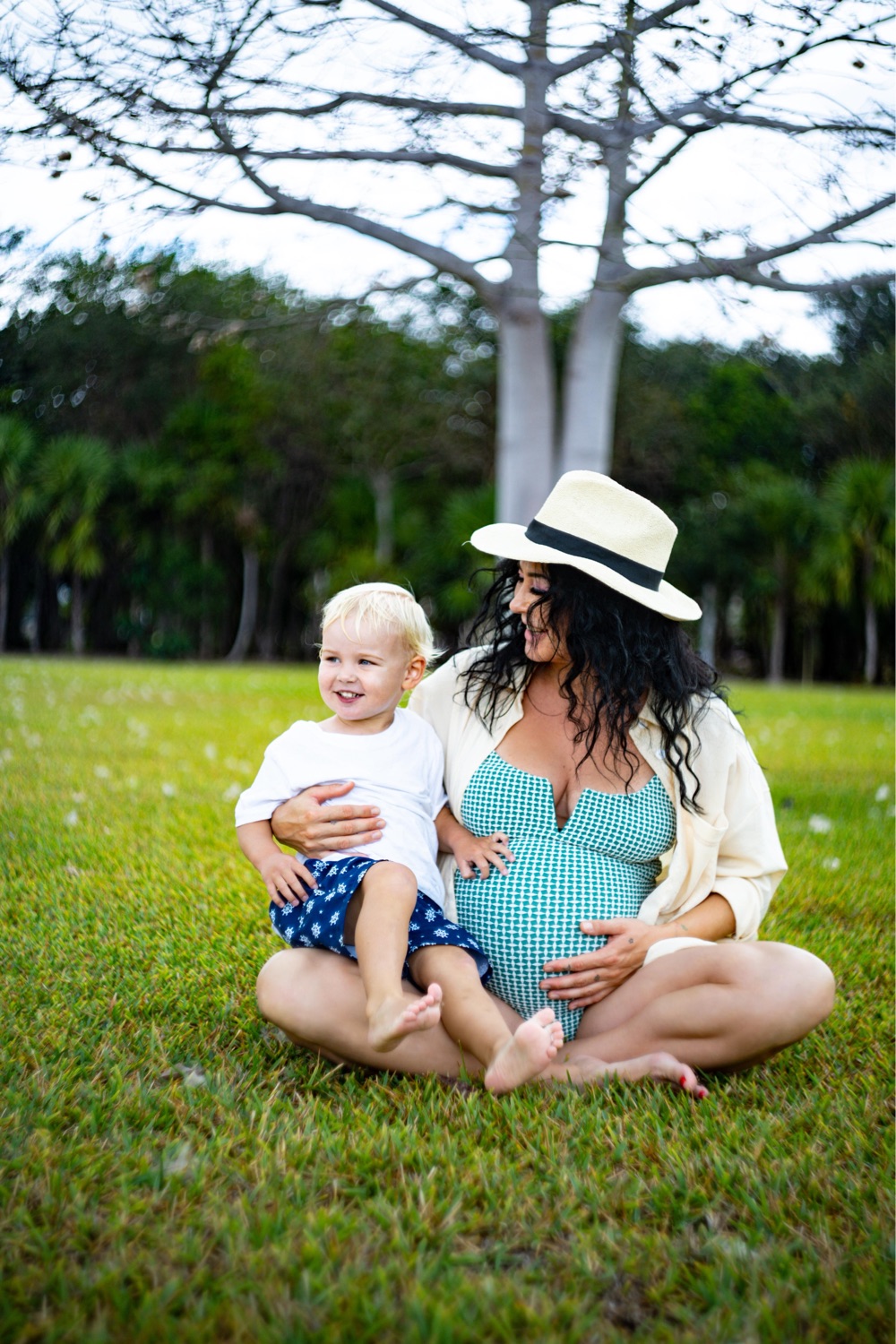
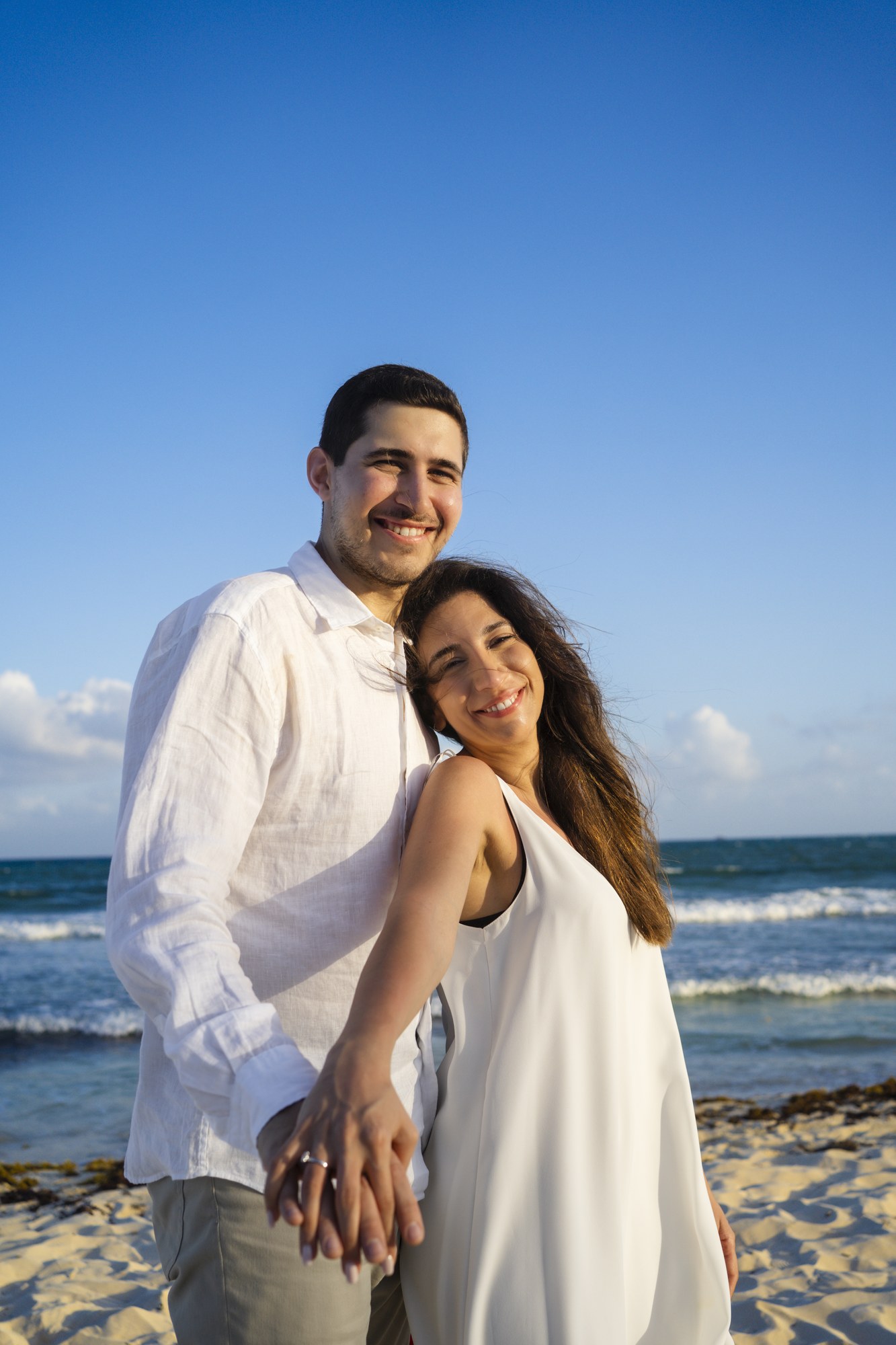
Retreat photography is its own quiet category. It is editorial work for yoga, wellness, healing, breathwork, sound and personal-growth retreats — across Tulum, Holbox, Bacalar and the wider Riviera Maya. It is not commercial campaign photography turned down a notch; it is a different format entirely, woven into the rhythm of the retreat, careful with participant consent, and respectful of the practices being held. The output is a marketing gallery the retreat can use for the next season — but the priority on the day is to be invisible enough that the practice does not break around the camera.
Why retreat photography is its own discipline. Most retreat hosts find that hiring a "wedding-style" photographer for their retreat produces galleries that feel intrusive or that miss the point — they over-cover, miss the quiet moments, and end up with frames that participants feel uncomfortable being in. Retreat photography is closer to documentary work than to commercial work; the camera is held quietly, the lens stays wide, the photographer does not direct, and the gallery is built from what actually happens rather than from staged moments. The retreats I have shot have all involved practices where participants are genuinely vulnerable — cacao circles, breathwork, sound baths, integration circles, plant-medicine adjacent work — and the photographer’s job is to capture what helps the marketing while protecting what is sacred for the people in the room.
Best contexts and best fits. Retreat photography is a strong fit for yoga retreats (especially multi-day, multi-teacher destination retreats); for wellness and healing retreats with cacao, breathwork, sound or movement components; for personal-growth retreats with workshop and integration sessions; for women’s circles, men’s circles and somatic-work retreats; for facilitator-training programmes that need photography for a season of retreats; and for boutique retreat brands building a season of repeat retreats with consistent visual language. It is not a great fit for retreats running deep plant-medicine ceremonies where the facilitator does not want photography at all (which I respect), or for retreats where the host is using "photographer" as code for a guest-experience extra rather than as a marketing investment.
What sessions look like in practice. A typical retreat shoot runs from one to seven days on-site, woven into the rhythm of the retreat itself. I arrive a day before to scout the venue and meet the facilitator team; the first morning I introduce myself to the participants and confirm consent verbally. Then I move into the rhythm of the retreat: group practices at sunrise in natural light, candid moments between practices, the meals, the venue, the teacher and facilitator portraits, the participants who consent to be shown, and the quiet integration moments that often make the best frames. I shoot wide, quiet and slow. I do not direct participants in their practice. For ceremonies and circles where the facilitator wants photography I shoot quietly from a wide angle with no flash and no movement; for ceremonies where the facilitator does not want photography I leave the camera at the venue.
A typical retreat day. Sunrise practices outdoors — yoga on the platform, breathwork on the lawn, cacao circle on the beach — get the first hour. The morning workshop and breakfast give the middle of the morning. Mid-day is usually free time for participants and a quiet break for me. Afternoon workshops or pool/beach integration time give the next block. Sunset practice or workshop wraps the active shooting. Evening ceremonies (sound bath, cacao, breathwork) are shot with explicit facilitator permission and a wide quiet approach, or left entirely uncovered if the facilitator prefers. Across a multi-day retreat the rhythm builds — by day three the photographer is part of the room rather than a stranger with a camera, and the frames get noticeably more honest.
Consent and how I handle participants. Consent is the most important single thing on a retreat shoot. Before participants arrive, the retreat circulates a participation agreement that covers photography, with an opt-out clause; the host shares the consent list with me before I arrive. On day one I introduce myself in the opening circle, restate the consent approach, and answer questions. Anyone who has opted out is never photographed identifiably — I work around them, frame them out, or shoot from angles that obscure them. I keep a quiet list and check it before I shoot a group frame. If a participant changes their mind during the retreat (either way), they tell the host or me directly and I adjust immediately. After delivery, anyone who consents to be in marketing materials gets a chance to flag specific frames they would prefer not to be used — though this is usually handled by the retreat marketing team rather than me.
Curated delivery — split by use case. Retreat hosts use these galleries across multiple channels: web hero images, retreat-programme pages, Instagram grid, Instagram stories, Facebook events, newsletter sends, print collateral and partner co-marketing. I deliver the gallery split by use case so the marketing team can pull what they need fast. A typical split: web hero (10-20 frames, horizontal, room-spec), programme page (40-60 frames per retreat day), Instagram grid (square-friendly framing, 30-50 frames), Instagram stories (vertical, 20-30 frames), print collateral (high-resolution wide shots), and a director-cut "best of" gallery for press and partner submission.
Pricing and packages. Retreat photography is quoted per retreat or per season. A single retreat brief covers one to seven days on-site, scout, edit, delivery and licensing for retreat marketing across channels. Multi-retreat seasonal packages (for hosts running three to ten retreats in a year) are quoted at a reduced per-retreat rate and include consistent visual direction across the whole season — the gallery from one retreat connects visually to the next, which is how brand identity for a retreat series builds. International travel is available; see the [worldwide sessions](/worldwide-sessions) page for context.
What to expect when you brief a retreat shoot. The process starts with a discovery call covering the retreat content, the team, the venue, the consent approach, the use case for the gallery, the days on-site, and the budget envelope. I send a written proposal with day-by-day shoot plan, deliverable scope, licensing terms and any travel/accommodation requirements. Booking confirms the dates; a pre-retreat call with the lead facilitator happens the week before to walk through ceremonies and any no-camera moments. On-site, I run on the retreat schedule. Within a few days of the last shoot day I deliver a preview gallery; within two to three weeks the full edited collection arrives, split by use case, delivered via private link.
Cross-links and related sessions on the site. Retreat photography sits within the [commercial](/commercial) category. For venue-side properties hosting retreats, see [hotel photography](/hotel-photography). For locations where retreats are common, see [Tulum](/tulum), [Holbox](/holbox), [Bacalar](/bacalar) and [Riviera Maya](/riviera-maya). For destination retreat-style weddings and gathering work, see [weddings](/weddings) and [vow renewals](/vow-renewals). For facilitator portraits and personal-branding work, see [personal branding](/personal-branding).
Common questions I get that are not in the FAQ. Do you stay on-site or commute? For multi-day retreats I prefer to stay on-site — early-morning practices and late integrations work much better when I am not driving in. For single-day events I commute. Do you eat with participants? Usually yes — sharing meals is part of being woven into the rhythm of the retreat, and it produces honest mealtime frames. I can stay away from meals if the host prefers. Can you shoot multiple facilitators in a single retreat? Yes — and it is one of the highest-value uses; consistent visual direction across all the facilitators’ portrait work, group practice frames and integration moments is what builds the brand identity for the retreat. What about post-retreat content like testimonial videos? Possible — quoted alongside the photo brief; we can record short testimonial videos with consenting participants on the final day. Do you handle photography for retreats that include plant medicine? I cover the daytime container, the venue, the meals, the integration circles and any practices the facilitator opens to the camera. Plant-medicine ceremonies themselves I never shoot; I leave the camera at the venue and re-join afterwards.
If you are planning a retreat and you want quiet, editorial, consent-led photography that protects the practice while building a marketing gallery you can use all season, let’s talk. Tell me the retreat, the dates, the venue and the rough shape of the programme.